Material Innovation: Self-Healing Concrete & Carbon-Absorbing Bricks – Shaping the Future of Construction
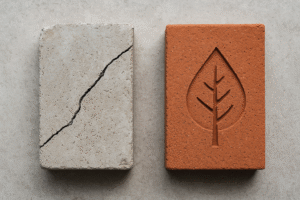
The construction industry is undergoing a major transformation, and two of the most exciting innovations leading the way are self-healing concrete and carbon-absorbing bricks. Both promise to make our buildings stronger, longer-lasting, and far more sustainable than traditional materials.
The Problem with Traditional Building Materials
Concrete is the most widely used construction material in the world, but it comes with two major challenges:
It is prone to cracks over time, reducing structural strength and requiring costly repairs.
Cement production accounts for nearly 8% of global CO₂ emissions, making it a significant contributor to climate change.
Bricks, too, while durable, require energy-intensive manufacturing processes that add to environmental concerns.
Self-Healing Concrete – The Game Changer
Imagine concrete that can repair itself when cracks form. That’s exactly what self-healing concrete does. It contains special bacteria or polymers that react to water entering cracks, automatically sealing them before they expand.
Benefits:
Extends the life of structures by decades.
Reduces maintenance and repair costs.
Improves safety by preventing water seepage and structural damage.
Eco-friendly – lowers demand for frequent construction, thereby reducing CO₂ emissions.
The global self-healing concrete market is expected to reach $94 billion by 2025, showing strong demand across housing, infrastructure, and commercial projects.
Carbon-Absorbing Bricks – Turning Pollution into Strength
Carbon-absorbing bricks (also known as CO₂-sequestering bricks) are manufactured using innovative processes that capture carbon dioxide from the air or industrial waste and trap it within the material.
Benefits:
Actively reduce greenhouse gases in the environment.
Provide excellent strength and durability for walls and facades.
Cost-effective compared to traditional fired bricks.
Contribute toward green building certifications like LEED.
Why These Innovations Matter
As cities grow and sustainability becomes a top priority, materials that combine strength, durability, and eco-friendliness are no longer optional—they’re essential. Developers, architects, and construction companies adopting these innovations can build structures that stand the test of time while reducing their environmental impact.
The Future of Construction
With technologies like self-healing concrete and carbon-absorbing bricks entering the mainstream, the future of construction looks smarter, greener, and more resilient. The industry is moving beyond just building structures—it’s about creating sustainable ecosystems that benefit people and the planet.